
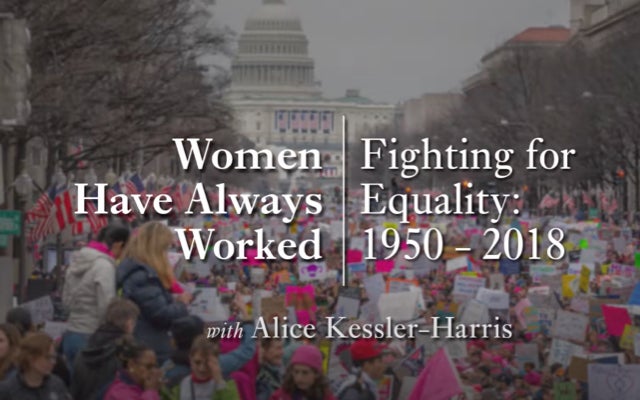
Women Have Always Worked, an edX Course Exploration, 51-60
Video Gallery
Women Have Always Worked: Fighting for Equality: 1950–2018.
An exploration from an online edX course.

The following are video previews from the edX course “Women Have Always Worked” presented by Alice Kessler-Harris and Columbia University.
Women Have Always Worked: Fighting for Equality: 1950–2018.
An exploration from an online edX course.
Women Have Always Worked: Fighting for Equality: 1950–2018.
An exploration from an online edX course.
In 2012, the Chicago Teachers Union (CTU) issued the groundbreaking report, The Schools Chicago’s Students Deserve. The report provided a counter-narrative to ideas popular among corporate education reformers (or de-formers, as some like to say).
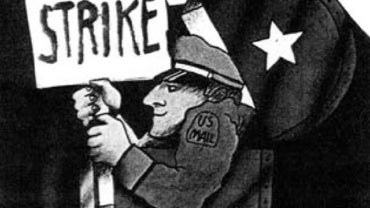
“Wildcat” strikes, like the one that teachers used effectively in West Virginia in February/March of this year, are when union members walk off the job despite the wishes of their leadership. By definition, they are something uncontrollable and spontaneous.
The Takeaway traces it all back to August 1981, when nearly 13,000 air traffic controllers went on strike creating a standoff with Ronald Reagan that ended when he fired the majority of them and de-certified their union, the Professional Air Traffic Controllers Organization.
In this oral history website Brooklyn College students narrate two historical episodes: their experiences of working on farms during World War II, and the events surrounding the suspension of the Vanguard, the student newspaper in a postwar McCarthy era climate. The edited testimony is accompanied…
Our collections are being digitized and made available through our website, OCLC WorldCat, Internet Archive, Digital Commonwealth, and the Digital Public Library of America (DPLA).
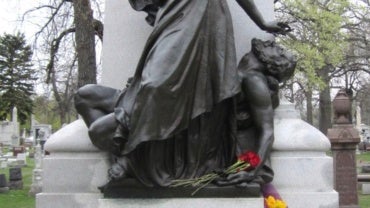
Welcome to The Dramas of Haymarket, an online project produced by the Chicago Historical Society and Northwestern University. The Dramas of Haymarket examines selected materials from the Chicago Historical Society’s Haymarket Affair Digital Collection, an electronic archive of CHS’s extraordinary Haymarket holdings. The Dramas of…
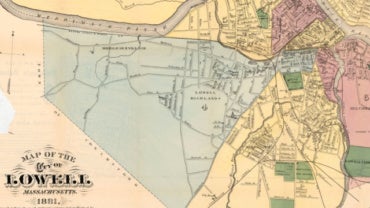
The Boott Cotton Mills Museum gives a snapshot of what is was like to work in New England cotton mills in the 1800s. The Museum, once Boott Mill #6, was originally owned by Kirk Boott, an industrialist who was responsible for much of the early urban planning that shaped Lowell’s industrial and residential landscape.